“Dr. Patish is the best podiatrist I have had! By far the least pain and best recovery.”Google · Kelcey Storkersen · Feb 2026
“Awesome front desk and even better doctor. Great job for the care and surgery of my toe.”Google · Justin Houser · Apr 2023
“He is a very experienced doctor — made me feel confident in my surgery. I was scared for 5 years.”Google · Adam Smith · Jul 2021
“I waited years to have work on my bunions. My feet Rock!”Google · Arlene Koutoulas · Mar 2021
“He is amazing. He truly cares about making me feel better and wants me to have a better quality of life.”Healthgrades · Mar 2019
“I have had 5 foot surgeries and still have issues. He is helping me improve my quality of life when walking.”Yelp · Dot G. · Apr 2019
“Very professional, very friendly. My ingrown toe was handled in one visit.”Google · Brienne Stoddard · Apr 2018
“For fifteen years I saw countless doctors for pain in the ball of my foot. Dr. Patish's diagnosis was dead on.”Google · A. Holston · Jan 2023
“Dr. Patish is the best podiatrist I have had! By far the least pain and best recovery.”Google · Kelcey Storkersen · Feb 2026
“Awesome front desk and even better doctor. Great job for the care and surgery of my toe.”Google · Justin Houser · Apr 2023
“He is a very experienced doctor — made me feel confident in my surgery. I was scared for 5 years.”Google · Adam Smith · Jul 2021
“I waited years to have work on my bunions. My feet Rock!”Google · Arlene Koutoulas · Mar 2021
“He is amazing. He truly cares about making me feel better and wants me to have a better quality of life.”Healthgrades · Mar 2019
“I have had 5 foot surgeries and still have issues. He is helping me improve my quality of life when walking.”Yelp · Dot G. · Apr 2019
“Very professional, very friendly. My ingrown toe was handled in one visit.”Google · Brienne Stoddard · Apr 2018
“For fifteen years I saw countless doctors for pain in the ball of my foot. Dr. Patish's diagnosis was dead on.”Google · A. Holston · Jan 2023
Minimally Invasive Bone Spur Removal
Minimally invasive bone spur removal through tiny incisions, under local anesthesia, done in the office.
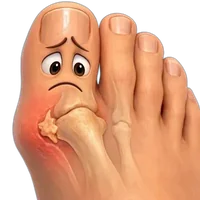 At a glance: Bone spurs (osteophytes) are bony projections that form along joint margins or tendon attachments in the foot. When a spur causes persistent pain unresponsive to conservative care, minimally invasive removal through a small percutaneous incision allows resection under fluoroscopic guidance with very little disturbance to the surrounding tissue.
Minimally Invasive Bone Spur Surgery
Minimally invasive bone spur surgery removes painful bone growths through tiny incisions, in the office under local anesthesia. If a bony bump is causing discomfort in the heel, toes, or top of the foot and conservative care has not helped, this procedure may be an option. How soon you are back to comfortable walking varies from person to person.
Location Note: All minimally invasive surgical procedures are performed at our Fallbrook office (407 Potter Street, Suite A), where our surgical suite and in-office fluoroscopy are located. Fluoroscopy provides immediate imaging for surgical guidance and acute trauma. For diagnostic X-rays and MRIs (such as for tendon or ligament injuries), we refer to imaging centers in Temecula, Murrieta, Oceanside, and Carlsbad. All minimally invasive procedures are performed at our Fallbrook office. Your initial consultation can take place at either our Fallbrook or Temecula office.
What Are Bone Spurs & How Does Bone Spur Surgery Help?
A bone spur (osteophyte) is an extra growth that develops where joints, tendons, or ligaments experience stress or friction. In the feet, bone spurs commonly appear at:
- Heel spurs: Often linked with plantar fasciitis and soft-tissue irritation.
- Dorsal spurs: Found on the top of the foot or big toe joints.
- Toe spurs: Develop near arthritic or previously injured joints.
- Back-of-heel spurs (Haglund’s): Bony enlargement near the Achilles tendon.
While some spurs are painless, others cause sharp pain or inflammation when they press on nerves or rub against shoes. Minimally invasive bone spur surgery removes the painful area with the aim of restoring comfort and mobility. Learn more at Fallbrook Podiatry Inc. or see the Cleveland Clinic overview of bone spurs.
Benefits of Minimally Invasive Bone Spur Surgery
- Tiny incisions: Small portals reduce tissue disruption.
- Smaller incisions: Precise tools target only the bone spur.
- Few sutures: Many cases heal with minimal stitching.
- Recovery: Protected walking in a surgical shoe from the start; regular activity once Dr. Patish clears you.
- Improved appearance: Subtle scars and reduced swelling.
Not every case qualifies for minimally invasive bone spur surgery. For larger or complex spurs, Dr. Patish recommends the most appropriate method for your individual needs.
What to Expect During the Bone Spur Procedure
- Evaluation: Clinical exam and X-rays to identify spur size and position.
- Planning: Review your goals and past treatments before proceeding.
- Minimally invasive removal: The bone spur is smoothed or excised through small incisions.
- Protection: Light dressing and activity guidance post-procedure.
- Follow-up: Our team checks healing progress and shoe comfort.
Recovery After Minimally Invasive Bone Spur Surgery
- Activity: Short rest period; daily routines resume gradually as Dr. Patish clears you.
- Footwear: Gradual return to regular shoes as swelling decreases.
- Pain relief: Rest, ice, and OTC medications as needed.
- Prevention: Orthotics or shoe changes to avoid future pressure.
Recovery time depends on spur type, health, and lifestyle goals—your care plan will be personalized for optimal healing.
When to Consider Minimally Invasive Bone Spur Surgery
- Chronic pain despite conservative treatments.
- Recurrent irritation or calluses from bony bumps.
- Difficulty wearing shoes or participating in activities.
- Confirmed bone spur on imaging with matching pain site.
If discomfort persists, minimally invasive bone spur surgery can provide lasting relief and restore your mobility.
Ready to Take the Pressure Off?
Let’s determine the source of your foot pain and find the least invasive path to comfort. From bone spur surgery to orthotics, we'll help you walk more comfortably and with confidence.
What to Expect: Your Recovery Timeline
Typical phases for many patients — everyone heals at their own pace. See the note below.
Day of Surgery Walk Out in a Surgical Shoe
Bone spur shaved down through a tiny incision under local anesthesia. No general anesthesia needed.
First Few Days First Dressing Change
Return for dressing change and wound check. Keep foot elevated and dressing dry until this visit.
Early Healing Weekly Follow-Ups
Weekly dressing changes and wound monitoring. Continue weight bearing as tolerated. Avoid icing if you have diabetes, gout, or poor circulation.
As Swelling Settles Return to Normal Shoes
Most patients transition to regular footwear. Swelling continues to decrease.
Returning to Activity Full Recovery
Bump gone, shoe pressure relieved. Resume all activities including exercise.
Learn more from OrthoInfo (AAOS): Bunions and ACFAS.
Everyone heals at their own pace. The timeline above reflects what many patients experience and lines up with published research on minimally invasive foot surgery — but it’s a general guide, not a promise. Your recovery and your final result depend on things we can’t standardize: your age and circulation, whether you smoke, conditions like diabetes, your bone quality, how involved your case was to begin with, and how closely you follow your recovery plan. Yours may move faster, slower, or simply look a little different. Dr. Patish will walk you through what to expect for your specific situation.
Ready to get started? Our team typically sees patients within a few days. Call (760) 728-4800 or book online to schedule your visit.
Serving Fallbrook, Temecula & Nearby Communities
If you have been searching for bone spur removal near me, Dr. Patish treats patients from across North County San Diego and Southwest Riverside. All minimally invasive bone spur procedures are performed at our Fallbrook office; initial consultations are available at either our Fallbrook or Temecula location. Patients travel to us for bone spur removal from Fallbrook, Temecula, Murrieta, Menifee, Vista, Oceanside, Bonsall, San Marcos, Escondido, and the surrounding North County San Diego and Southwest Riverside communities.
Insurance & Self-Pay
We accept most major insurance plans and will verify your benefits before any care begins, so you know where you stand. If your plan does not cover bone spur removal, we offer competitive self-pay pricing. Cherry and CareCredit financing are available. Our team is happy to walk you through your options — application and approval are handled directly by the lender, and any terms are set by them, not by our office.
What to Expect at Your Visit
Your first visit starts with a focused evaluation and any imaging needed to understand what is going on. Dr. Patish will explain your options in plain language and answer your questions before anything is decided. There is never pressure — the goal is the right plan for you. To get started, call (760) 728-4800 or book online.
Frequently Asked Questions
What is minimally invasive bone spur removal?
It's a small-incision procedure that removes painful bone spurs through a tiny opening rather than a large surgical cut. This preserves surrounding tissue.
How long does recovery take compared to traditional surgery?
Patients leave the office walking on their own in a surgical shoe — protected walking only. Regular shoes and normal activity resume once Dr. Patish clears you; for a small bone spur that is often a matter of a few weeks, and it varies from person to person.
Do bone spurs grow back after removal?
They can. Removing a spur does not change the pressure or friction that helped it form, so a spur can come back over time. That is why, as part of the plan, we also look at your shoes and, when your foot mechanics call for them, recommend custom orthotics.
Is the procedure done in the office?
Yes. Minimally invasive bone spur removal is performed in our office under local anesthesia. You go home the same day.