
“I highly recommend this place — everyone is really nice and they make sure you feel comfortable.”Google · Kimberly Manilla · Mar 2026
“Podiatrist is very knowledgeable and approachable. Staff is professional and proactive.”Google · Ben C · Feb 2026
“His professional expertise and kind demeanor made my treatment feel effective and comfortable.”Google · Cecil Lynn Farrar · Feb 2026
“Every time I come with pain I leave this place feeling great!”Google · Wendy Aguilar · Nov 2024
“A front office that runs smoothly — you know the doctor MUST be a true professional.”Google · Jerika Steele · Oct 2023
“This is the greatest doctor I've ever met — professional, polite, and knows what he does.”Google · Don Jair Casas · Dec 2025
“Dr. P, Ms. Theresa, and Ms. Maria are some of the kindest people you'll ever meet.”Google · Charles Ward · Jan 2026
“Staff was friendly and helpful. Clear instructions and a plan for recovery.”Google · Maurico Payne · Jan 2026
“The best foot doctor I have found in 40 years.”Google · Dwight Herkness · Aug 2019
“I wish I could give Dr. Patish 10 stars!!! He has literally been a life changer.”Yelp · Troy E. · Aug 2019
“Thank you Dr. Patish for taking great care of my parents!”Google · Elizabeth Naranjo · Feb 2026
“He is amazing — truly cares about my quality of life.”Healthgrades · Mar 2019
“I highly recommend this place — everyone is really nice and they make sure you feel comfortable.”Google · Kimberly Manilla · Mar 2026
“Podiatrist is very knowledgeable and approachable. Staff is professional and proactive.”Google · Ben C · Feb 2026
“His professional expertise and kind demeanor made my treatment feel effective and comfortable.”Google · Cecil Lynn Farrar · Feb 2026
“Every time I come with pain I leave this place feeling great!”Google · Wendy Aguilar · Nov 2024
“A front office that runs smoothly — you know the doctor MUST be a true professional.”Google · Jerika Steele · Oct 2023
“This is the greatest doctor I've ever met — professional, polite, and knows what he does.”Google · Don Jair Casas · Dec 2025
“Dr. P, Ms. Theresa, and Ms. Maria are some of the kindest people you'll ever meet.”Google · Charles Ward · Jan 2026
“Staff was friendly and helpful. Clear instructions and a plan for recovery.”Google · Maurico Payne · Jan 2026
“The best foot doctor I have found in 40 years.”Google · Dwight Herkness · Aug 2019
“I wish I could give Dr. Patish 10 stars!!! He has literally been a life changer.”Yelp · Troy E. · Aug 2019
“Thank you Dr. Patish for taking great care of my parents!”Google · Elizabeth Naranjo · Feb 2026
“He is amazing — truly cares about my quality of life.”Healthgrades · Mar 2019
Are Flip Flops Bad for Your Feet? A Podiatrist's Honest Take
Flip flops are a Southern California staple. But are they actually hurting your feet? Here's what a podiatrist thinks — and when to worry.
We live in Southern California. Flip flops aren't just footwear here — they're a lifestyle. And as a podiatrist, I'll be honest: I'm not going to tell you to throw them all away. That would be unrealistic and also unnecessary. But I am going to tell you where the line is between "perfectly fine" and "quietly causing problems."
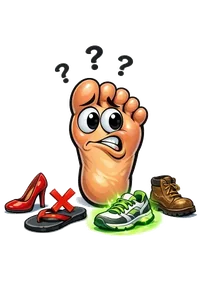
What Flip Flops Do to Your Feet
The fundamental issue with flip flops is that they offer no structural support. There's no arch support, no heel cup, no stability, and no shock absorption. If you already have arch pain, custom orthotics can provide the correction flip-flops lack. Your foot lands on a flat surface with every step, and your toes have to grip to keep the shoe on — which isn't something your toes are designed to do for hours at a time.
Here's what that translates to mechanically:
- Altered gait. You take shorter steps in flip flops and your heel strikes differently than it does in supportive shoes. Over time, this changes how force is distributed through your feet, ankles, and knees.
- Toe gripping. To prevent the flip flop from flying off, your toes curl and grip with every step. This overworks the flexor tendons and can contribute to hammertoe development over years of habitual wear.
- No arch support. For people with flat feet or fallen arches, hours in flip flops can strain the plantar fascia and posterior tibial tendon — the structures that maintain your arch. This is one of the contributing factors to plantar fasciitis.
- Zero protection. Stubbed toes, puncture wounds from stepping on something sharp, sunburn on the tops of your feet — flip flops offer none of the protection that closed shoes provide.
When Flip Flops Are Fine
Short-duration, low-impact use is genuinely not a problem for most people:
- Walking from the car to the pool or beach
- A quick trip to pick up groceries
- Around the house or hotel room
- Protecting your feet in shared showers or locker rooms (this is actually a recommended use — fungal infections thrive in these environments)
If you're wearing flip flops for 20–30 minutes at a time and not doing anything strenuous, your feet can handle it.
When They Become a Problem
The trouble starts when flip flops become your primary everyday shoe:
- Walking more than 15–20 minutes. Extended walking in flip flops significantly increases strain on the plantar fascia and Achilles tendon.
- Standing for long periods. Farmers markets, theme parks, concerts — these are multi-hour standing events where supportive footwear makes a real difference.
- Any physical activity. Hiking, sports, yardwork, or anything involving quick movements or uneven terrain. This is where injuries happen.
- If you already have foot problems. If you're dealing with plantar fasciitis, bunions, hammertoes, or neuropathy, flip flops will make all of these worse.
Better Alternatives That Still Feel Like Summer
You don't have to choose between flip flops and heavy shoes. Several brands make sandals with genuine structural support:
- Vionic makes sandals with built-in podiatrist-designed arch support that look and feel like normal flip flops. These are the ones I most often recommend to patients.
- OluKai offers contoured footbeds with good arch support and cushioning.
- Birkenstock — the classic molded cork footbed provides genuine structural support. There's a reason they've been around for over a century.
- Hoka recovery slides provide substantial cushioning for post-exercise recovery.
The difference between a $5 drugstore flip flop and a supportive sandal is dramatic. Your feet notice immediately, even if your wallet takes a slightly bigger hit upfront.
The simple test: Pick up your flip flop and try to fold it in half or twist it. If it bends easily in every direction, it's offering zero support. A good sandal will have some rigidity through the arch area and resist twisting.
The Bottom Line
Flip flops for brief, casual use are fine. Flip flops as your daily go-to footwear for hours at a time will catch up with you — and the resulting foot problems (plantar fasciitis, tendinitis, hammertoes) take much longer to fix than they took to develop. If you're already experiencing foot pain and you live in flip flops, that's a connection worth taking seriously.
Questions about whether your footwear is contributing to a foot problem? We're happy to take a look. Schedule a visit or call (760) 728-4800.
Frequently Asked Questions
Can flip-flops cause plantar fasciitis?
Yes. Flip-flops provide virtually no arch support, causing the plantar fascia to overstretch with every step. Extended wear is a common contributor to heel pain and plantar fasciitis.
What are healthier alternatives to flip-flops?
Sandals with contoured arch support, a heel cup, and secure straps offer much better foot support. Brands designed with biomechanics in mind provide casual comfort without the harm.
Is it okay to wear flip-flops occasionally?
Brief, occasional use — like walking to the pool or beach — is generally fine for healthy feet. Problems arise from daily, prolonged wear as your primary footwear.
Ready to Feel Better?
Most patients are seen within 24–48 hours. Schedule your visit today.